If you've added a chatbot to your website and started calling it an AI agent, you're not alone, and you're not entirely wrong either. But the two are not the same thing, and for a consultant or coach running a business on trust and time, the difference is worth understanding before you build your workflow around the wrong one.
The distinction regulators just made official
On August 2, 2026, the transparency rules in Article 50 of the EU AI Act became enforceable. The rules require any system that interacts directly with people, generates content, or takes action on someone's behalf to disclose that it's AI. Reading through the guidance, one thing stands out: regulators draw a clear line between a system that talks and a system that acts. A chatbot that answers questions falls under one set of disclosure rules. A system that books appointments, updates records, or completes a transaction on your behalf falls under a stricter one.
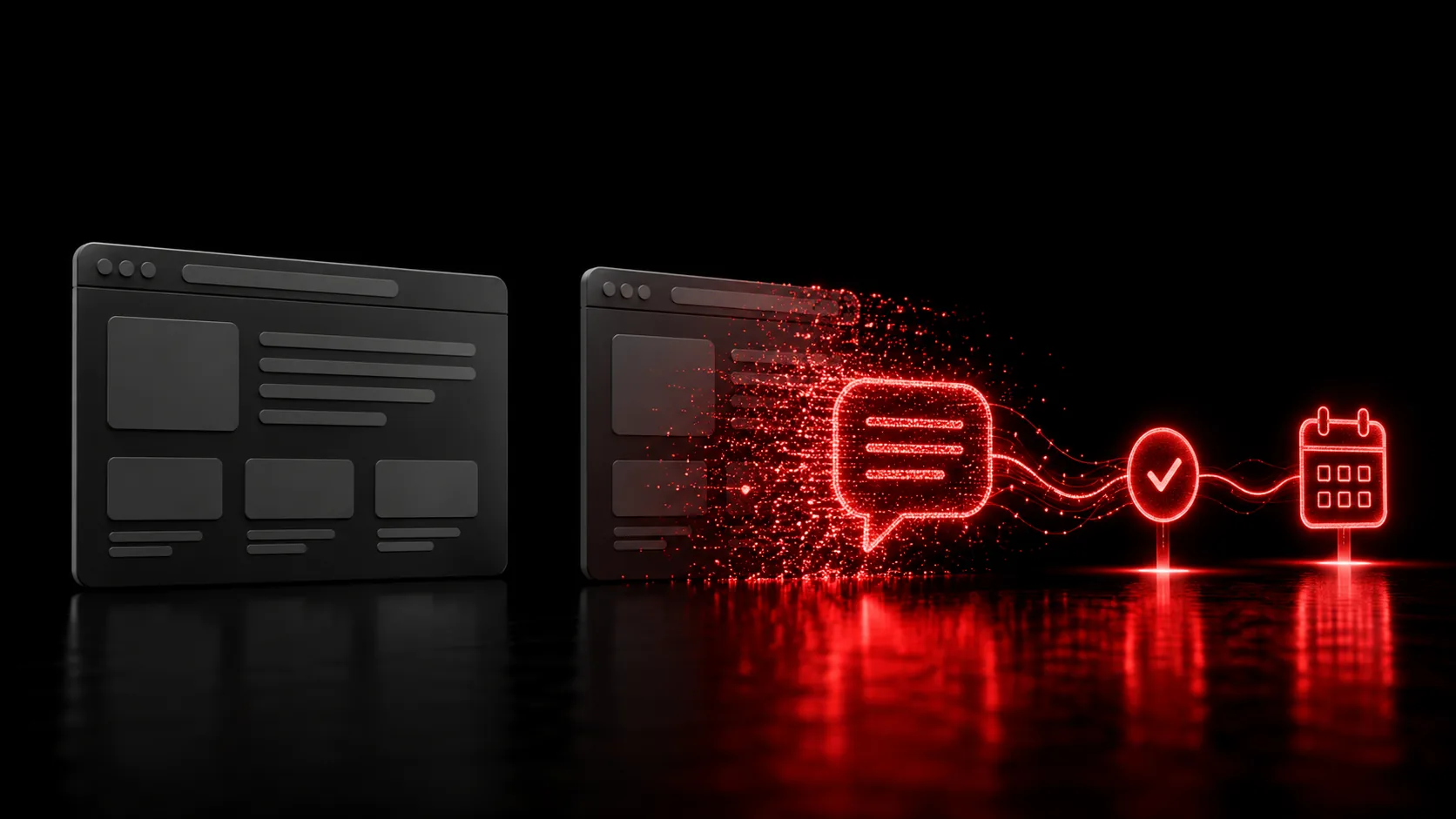
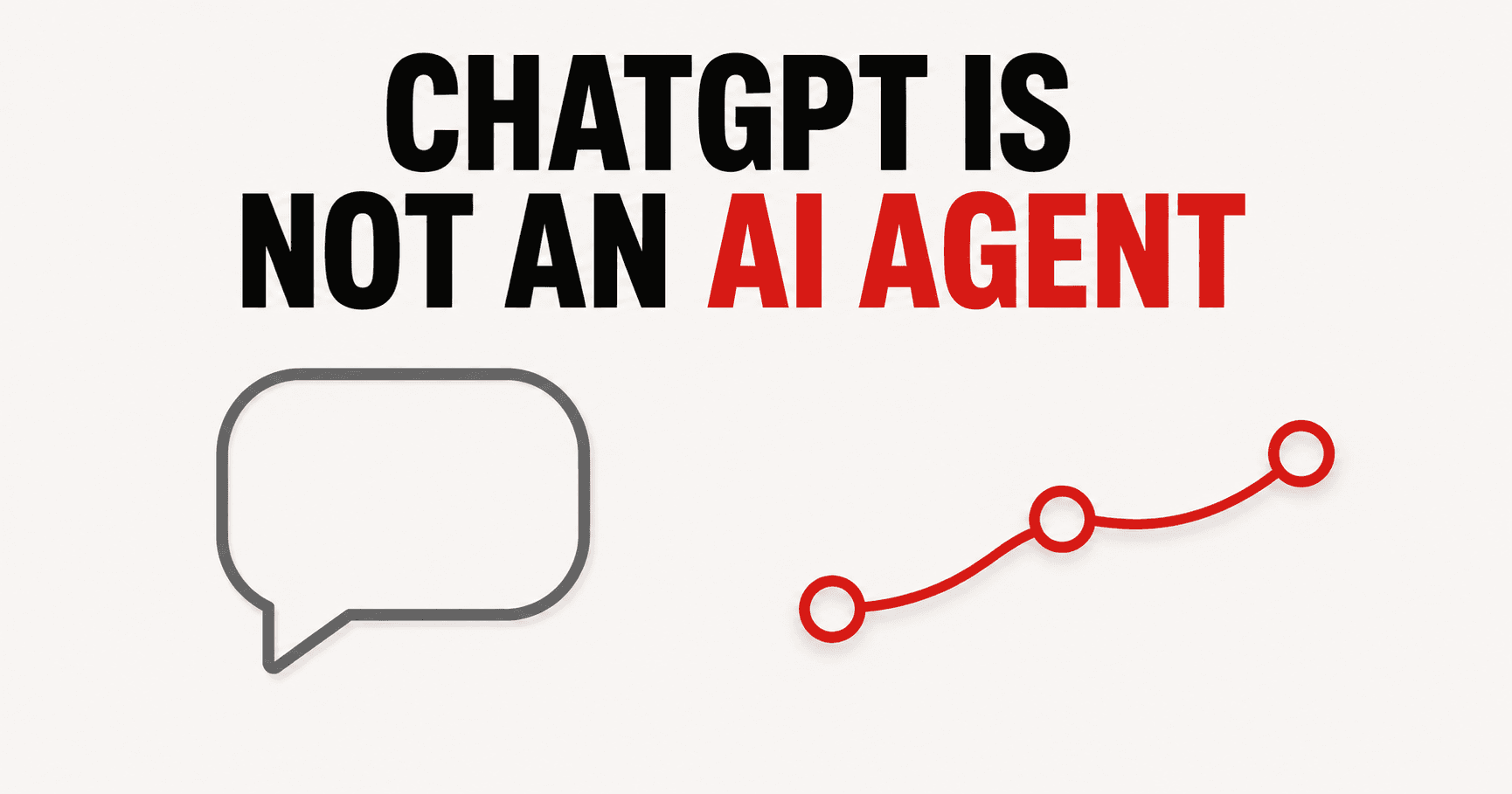
A chatbot that talks isn't the same system as an agent that acts. The difference isn't marketing. It's the job the software can actually do.
BrainSite product principle
What actually makes something an agent
An AI agent has four things a chatbot doesn't:
- Goal: A chatbot responds to whatever you type next. An agent is working toward an outcome, like getting a visitor booked, answering their real question, or handing them to a human when it should.
- Memory: A chatbot forgets the conversation the moment the tab closes. An agent remembers who it's talking to, what they asked before, and what's already been resolved.
- Tool use: A chatbot can describe your calendar. An agent can check it and put something on it. A chatbot can describe your pricing. An agent can generate a quote.
- Multi-step action: A chatbot answers one message at a time. An agent can carry out a sequence: qualify the visitor, answer their objection, check availability, and confirm a booking, without you doing the handoff in the middle.
If a tool is missing more than one of these, it's a chatbot with a nicer interface. Chatbots are genuinely useful for the right job. They're a different product than an agent, built to solve a different problem.
What the mix-up actually costs
For a consultant or coach, the gap between the two shows up in specific, avoidable ways:
- A prospect asks the chatbot a pricing question at 9 PM. It answers well. It has no way to book them, so they say "I'll follow up" and don't.
- A returning visitor asks a follow-up question the next day. The chatbot has no memory of the first conversation, so they explain everything again, or give up.
- A lead is clearly ready to book, but the chatbot can only describe the next step instead of completing it. The lead cools off during the extra round trip.
In each case, the AI worked exactly as designed. The mismatch is asking a chatbot to do an agent's job.
Where BrainSite fits
BrainSite turns your website or social profile into an AI agent that learns, qualifies, books, and sells. The "learns" part means governed, owner-reviewed knowledge and permitted conversation context, not uncontrolled automatic learning from every visitor interaction. You control what it knows and what it's allowed to do.
Your website, now able to answer, qualify, book, and sell. If your current chatbot can hold a conversation but can't check your calendar, book the visitor, or remember them next time, that's the specific gap between a chatbot and an agent. Create a free BrainSite and close it on your existing site or social profile.