You didn't build a portfolio of UGC content, a rate card, and a growing list of brand deals just to have your site described as a support widget. Neither should your site.
Most sites that talk at all use generic chatbots, even good ones. Drop a widget in the footer, train it on your FAQ, call it a day. It's helpful the way a customer service number is helpful: you get routed, you get an answer, you move on. But that's not who you are. That's a tool bolted onto a page. Treat the interaction as low-stakes support, and the brand treats you the same way: a vendor, not a partner.
The confusion starts with the category itself. "Chatbot" was always a weak word for what a creator's site needs. It frames the technology by what it does (chat) instead of what it should be (an extension of you). A chatbot automates support. A personal AI is identity.
Generic chatbots are tools. Personal AI is identity.
When a brand lands on your site, they're not just checking your rates. They're evaluating whether you're worth the budget: your content quality, your professionalism, your fit for their campaign. If they interact with your site at all, every interaction should reinforce that impression, not reset it.
A standard chatbot doesn't do that. It answers questions with corporate-sounding helpfulness. It has no context about who the visitor is, where they came from, or what they asked yesterday. It treats everyone like a stranger, every time.
A personal AI works differently. It sounds like you, or at least like the version of you that brands should know. It remembers context, like a brand that already asked about usage rights last week. It makes decisions that align with your judgment, not a generic rule. And it builds on previous conversations instead of treating each session as a fresh start.
That's the difference between a tool that serves your site and a presence that extends your brand.
The comparison that matters
| Generic Chatbot | Personal AI | |
|---|---|---|
| Tone | Sounds like a help desk | Sounds like you (or a carefully chosen version of you) |
| Memory | Resets every conversation | Remembers this brand's context from before |
| Authority | Answers from whatever training data it absorbed | Answers from your actual rate card and usage terms |
| Relationship | Each chat is a transaction. Next brand is a new customer | Treats every brand conversation as part of an ongoing relationship |
| Decision-making | Follows rules. Can't adapt to edge cases | Reflects your actual judgment about which deals fit |
The second column is harder to build. It requires you to actually decide what you stand for and what you want your agent to believe. But that's also why it's powerful. It's why brands stay in the conversation longer. It's why they trust the quote more. It's why the deal actually closes.
What does identity actually look like in practice?
- Tone: A UGC creator's agent shouldn't sound like a bank's customer support line. It should sound like the person brands came to find, not a script reading off a pricing page.
- Memory: When a brand manager asks about your turnaround time and comes back three days later, the agent should know. "Last time you asked about a 3-video package with paid usage rights. Let's pick up there." That's not creepy surveillance. That's what a good assistant does.
- Authority: A chatbot trained on scattered FAQ pages will make up a rate when it doesn't know one. A personal AI trained on your approved rate card and usage terms will say "I don't have pricing for that deliverable yet, let me get Allan to confirm" instead of guessing, and it can decline a lowball request politely instead of quoting it. That honesty builds trust, and it keeps you from getting undercut by your own bot.
- Relationship: The goal isn't to automate every conversation away. It's to move the repetitive "what's your rate?" DMs somewhere else (or handle them entirely) so the real brand deals land with you already qualified. A personal AI can walk a brand through deliverables, budget, and usage rights before it ever involves you. The conversations that reach you are already worth your time.
Why your competitors miss this
Most AI chatbot vendors are selling support automation. That's the whole pitch: replace your support team, reduce response time, deflect tickets. Chatbase, Drift, Tidio, and the rest are good at that job, and they're positioned as "reduce labor cost" for exactly that reason. It's a real problem worth solving, but it's not what a UGC creator needs.
They're not trying to extend identity. They're trying to be a tool. So they optimize for coverage (can it answer everything?), scalability (can it handle volume?), and cost (how cheap can we make this?). They don't optimize for voice, or judgment, or the specific brand relationships you're trying to build.
I built products in crypto for seven years before moving to AI. The lesson was the same: most founders chase the big category, not the wedge where your actual customers live. The crypto vendors were selling "replace traditional finance." The chatbot vendors are selling "replace support teams." Neither is thinking about the creator whose rate card IS their business model.
This creates an opening. Not many companies are positioning themselves as identity instead of utility. When they do, they stop selling to the "reduce support costs" buyer and start selling to the "get taken seriously by brands" buyer. Those are very different conversations.
How BrainSite changes the frame
BrainSite is built on the idea that a personal AI extends you. It doesn't replace anything. The agent answers from your knowledge. It remembers your visitors. It understands which conversations are worth routing to you and which ones it can wrap up. It guides toward the next step in your relationship: a booking, a purchase, a follow-up, whatever you define.
That's positioned as identity from the ground up, not a tool bolted on secondarily.
It means a UGC creator can have an agent that quotes rates for the right package, remembers which brand asked about whitelisting rights last week, and passes along actual campaign details instead of just "someone clicked my link." It means the agent can walk a brand through deliverables, turnaround, and usage terms the same way you would, so only the conversations worth your time actually reach you.
The agent is not trying to replace you. It's trying to be like you, or at least like the part of you that should be available 24/7 answering brand DMs while you're filming.
The practical difference
Imagine a brand manager finds your content and lands on your site to check if you do UGC and what it costs.
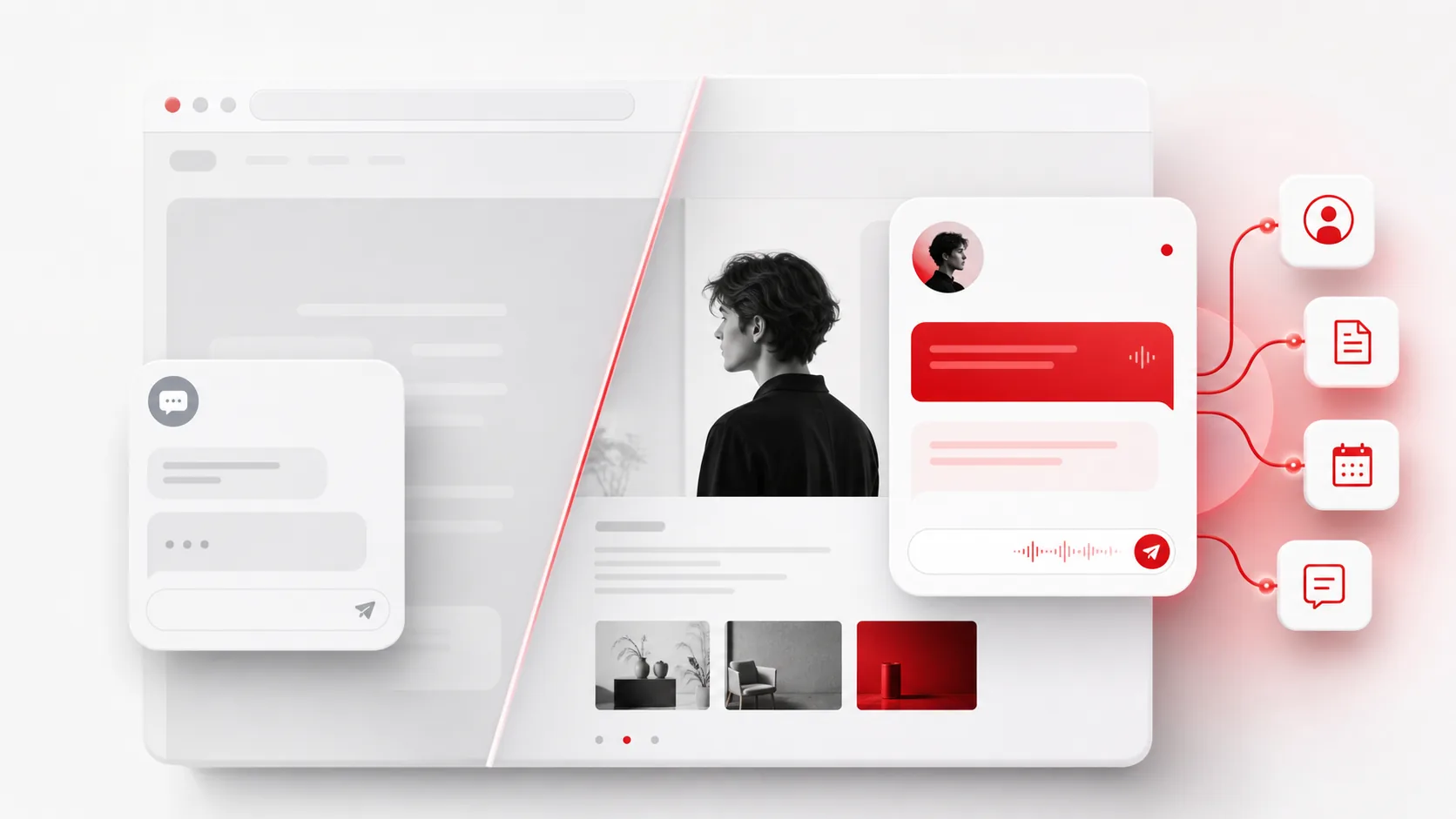
With a generic chatbot: The bot explains your services (if you've trained it to). The manager gets a response. Maybe you get an email notification later. Maybe you don't. The information is probably useful but incomplete, and it definitely doesn't know your current availability.
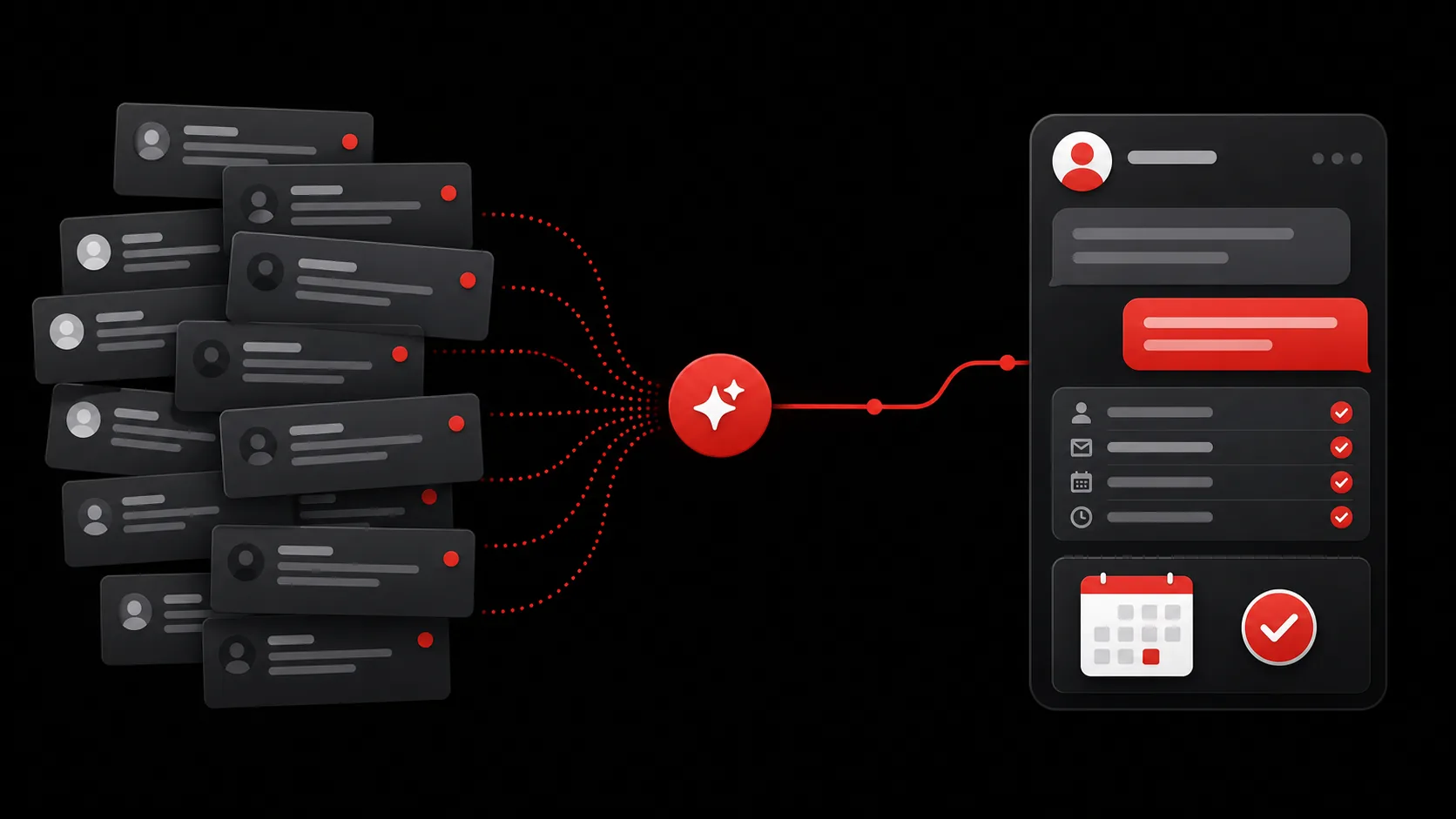
With a personal AI on BrainSite: The agent understands UGC inquiries because that's your business model. It asks about deliverables, timeline, and whether they need paid usage rights or organic-only. It remembers this manager came from that specific TikTok. It captures the inquiry in a structured form and hands it to you with context already summarized. You open it in the morning with everything you need to send a quote.
Both conversations happen on your public site. Only one of them feels like an extension of your brand. Only one of them actually works.
One more test
Here's a question worth asking about any tool that talks to your visitors: does it sound like someone who could make a decision, or does it sound like someone passing a message to someone else?
A personal AI sounds like someone who knows what matters. It doesn't need your approval for every answer. It won't make every brand happy, but it will make the right people happier. It has judgment.
A generic chatbot sounds like someone reading from a script. Useful, predictable, replaceable.
Your rate card deserves better than useful and replaceable.
If your site can talk, remember, and qualify the next brand deal, you're not running a chatbot. You're extending yourself into a second version that works while you're filming and shapes every conversation before it reaches you.
That's personal AI.
Create a free BrainSite today and see what it looks like when your site actually represents you.